
A US study has revealed three trajectories of cognitive decline in Alzheimer's disease -- stable, slow decline, and fast decline -- based on scans of over 1,100 people with elevated amyloid protein levels.

Scientists at the GraphIN 2026 conference highlighted the potential of ultra-sensitive graphene sensors for rapid disease detection and various other applications, including flexible heating pads for neonatal care and lightweight structures for unmanned aerial vehicles.

A new study reveals a framework using smartwatch data to detect early signs of diabetes by predicting insulin resistance, potentially enabling timely lifestyle interventions.

Even by conservative assumptions that 5 to 10 per cent of infected individuals develop long Covid, India today may be home to 50 to 100 million infected individuals -- many silently coping with breathlessness, fatigue, palpitations, brain fog, or unexplained clotting tendencies.

An analysis of over 2,000 patient samples from Delhi-NCR by Dr Dangs Lab revealed that 15 per cent of patients with an HbA1c score above 6.5 per cent exhibited elevated levels of NT-proBNP, a crucial biomarker for early heart failure detection. A study by Joshi of 1,054 patients in Mumbai found that 34 per cent of Type 2 Diabetes Mellitus (T2DM) patients are at increased risk of cardiovascular complications.

'After the discovery of the biomarkers, Calpain and Inflammasomes, we know we have a biomarker to target.' 'That way, we can use the biomarkers for an early diagnosis of blood clotting due to hypoxia or low oxygen in the tissues, and can save a life.'

"One CT scan is equivalent to 300 to 400 chest x-rays. According to data, repeated CT scans in younger age groups increase the risk of cancer in later life. Exposing yourself to radiation again and again may cause damage. So, there is no point in doing CT scan in mild COVID-19 if the oxygen saturation is normal," Guleria said.

Two dogs -- two-year-old cocker spaniel Casper and one-year-old Jaya, a 'chippiparai', which is an indigenous breed from Tamil Nadu -- have been trained to detect COVID-19 by sniffing samples of sweat and urine, senior Army officials said.

'We found that in fatty liver patients, something happens that blocks insulin secretion.'

The researchers noted that while COVID-19 and influenza are both severe respiratory viruses, they appeared to affect cardiac tissue very differently.

Cancer has no race, so why do new innovative cancer drugs discriminate based on race and ethnic groups, asks Digonto Chatterjee.
Diagnosis of life-threatening diseases such as cancer may become a matter of minutes as scientists have developed a new bio-sensor technology, which they claim provides results within 15 minutes."The technology uses antibodies to detect biomarkers -- molecules in the human body which are often a marker for disease -- much faster than current testing methods," said co-researcher Paul Millner from the Faculty of Biological Sciences at the University of Leeds.

In a breakthrough, an Indian-American scientist at the prestigious MIT has developed a simple, cheap, paper test that could improve cancer diagnosis rates and help people get treated earlier.
A healthy, positive, attitude is a big booster to build a healthier immune system which benefits your overall health, says Dr Girdhar Gyani.
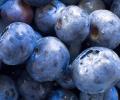
Just one cup of blueberries daily could be the key to reducing blood pressure and arterial stiffness, both of which are associated with cardiovascular disease, a new study claims.

Ditch the cheat day on a keto diet, says study.

Drinking milk and dairy consumption may lower your risk of high blood pressure, scientists say.

Evidence from a large study of several thousand patients shows that men have higher concentrations of angiotensin-converting enzyme 2 in their blood than women. Since ACE2 enables coronavirus to infect healthy cells, this may help to explain why men are more vulnerable to COVID-19 than women.

He invented a skin patch that can detect a silent heart attack 6 hours before it happens!
It isn't one disease. It can attack different organs and there are very significant differences in the treatment modes for each.

'If somebody drinks heavily or has obesity and diabetes, the first step is to see a physician for assessing if they have liver disease.' 'And, if so, how much damage has been done to their liver.'

The Society of Asian American Scientists in Cancer Research last month presented awards to seven doctors for their outstanding contributions to cancer research. The awards were presented by Rajvir Dahiya, SAASCR president, San Diego, California on April 6.
 © 2026 Rediff.com - Advertise with us - Disclaimer - Privacy Policy - Sitemap - Feedback - About us - Terms of use - Grievances